A sudden gush of water tearing through walls or flooding floors can turn your peaceful Bethesda residence into a chaotic scene in mere seconds, and knowing your very first move is critical. An Emergency Plumber Bethesda MD is often the unsung hero who can rescue you from escalating damage, but your actions in that first frantic minute set the tone for how contained the disaster remains. Imagine water seeping into drywall, soaking carpets, and pooling around electrical outlets—each moment you hesitate compounds the eventual repair cost and the headache you’ll endure. In this guide, we dive deep into the step-by-step on-page perspective of managing a burst pipe, from pinpointing the main shut-off valve to choosing the right licensed professional, wrapping up with lasting prevention strategies that safeguard your Bethesda home against future leaks.
Where is the water shut-off valve located in my Bethesda home?
Emergency Plumber Bethesda MD professionals recommend every homeowner familiarize themselves with the precise water shut-off valve location before disaster strikes.
Most Bethesda homes have a main shut-off valve near the water meter, which is typically housed either in the basement, a utility closet, or an exterior pit adjacent to the sidewalk. If your home’s design includes individual zone valves—often found under sinks or next to major appliances—you can isolate the burst section without cutting off water to the entire house. While the main shut-off curb valve often requires a specialized wrench, interior valves usually turn with a quarter-turn handle. Knowing both locations in advance can save precious minutes in an emergency.
Long-term peace of mind comes from mapping out these valves during a calm weekend and labeling them clearly. Some homeowners even install brightly colored tags or paint a small arrow on the wall where the valve resides. This simple visual cue guides family members or hired help directly to the control point when chaos unfolds and seconds matter most.
What steps should I take immediately after a pipe bursts in Bethesda?
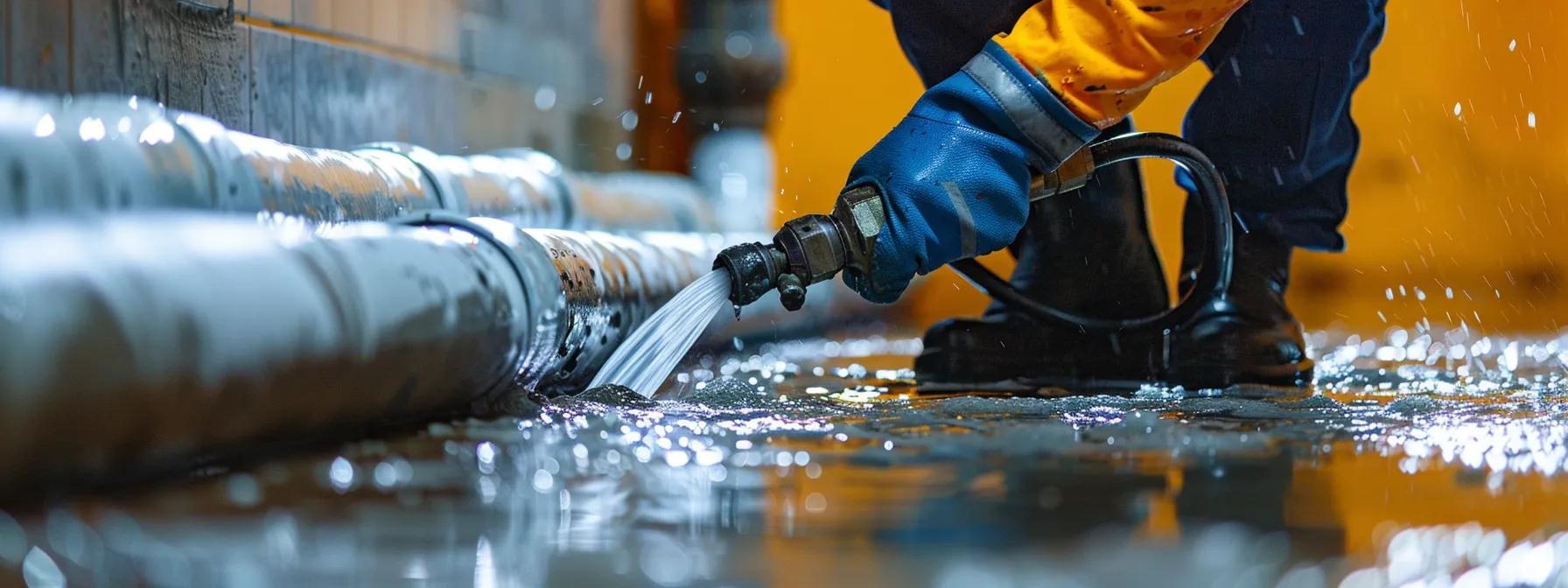
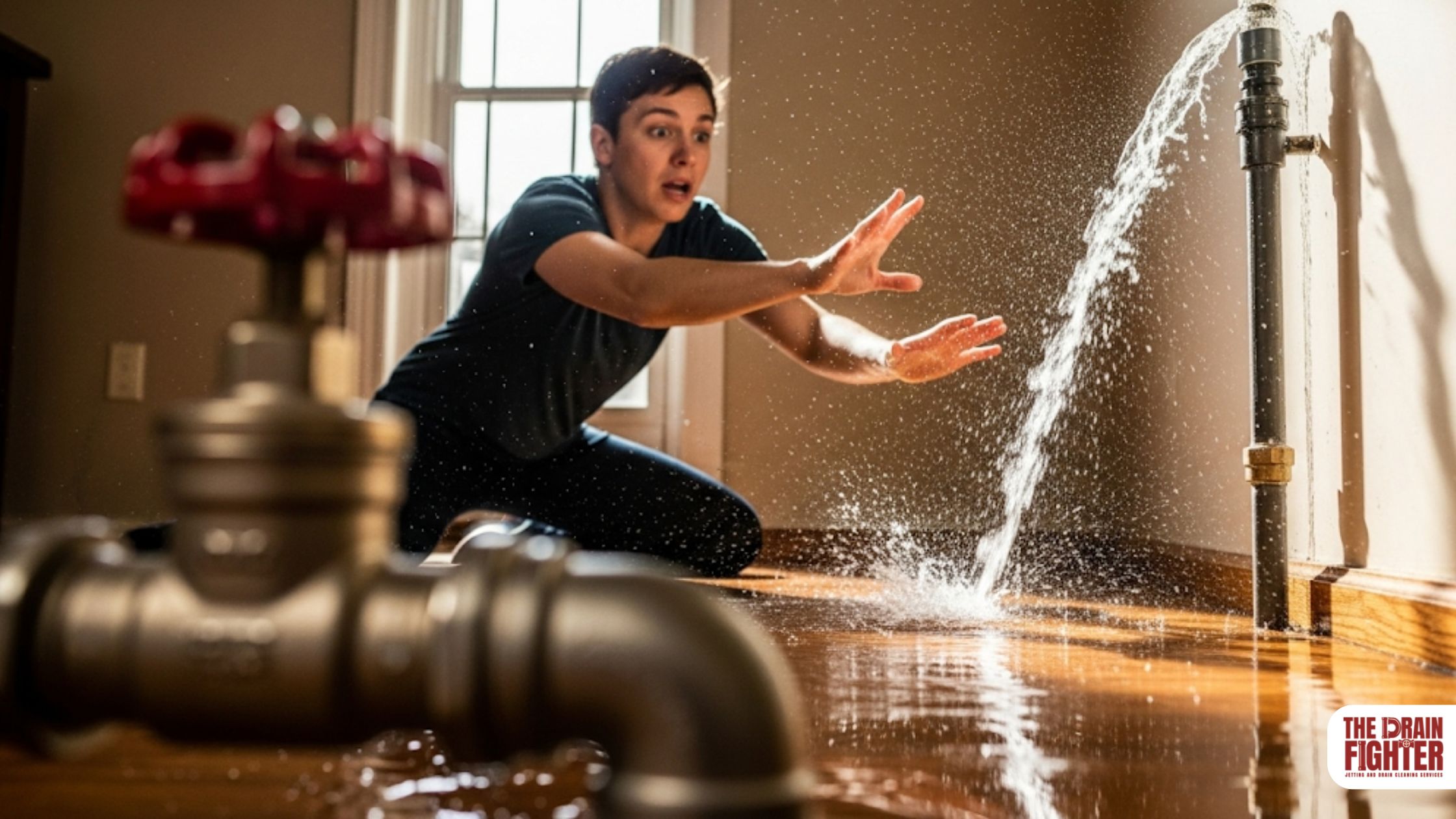
When raw water begins spraying or trickling from a ruptured pipe, your prompt actions can mean the difference between a quick cleanup and catastrophic structural damage.
First, confirm you’re standing safely away from electrical outlets or appliances. Electricity and water form a perilous combination. Then proceed directly to the nearest shut-off valve, guided by the water shut-off valve location you’ve already identified. Once the water is halted, focus on reducing pressure and draining residual water in the lines. These moves relieve the stress on the damaged section and curtail further leakage. Finally, contain what’s already escaped: towels, buckets, and a wet/dry vacuum become your frontline defense against a spreading flood.
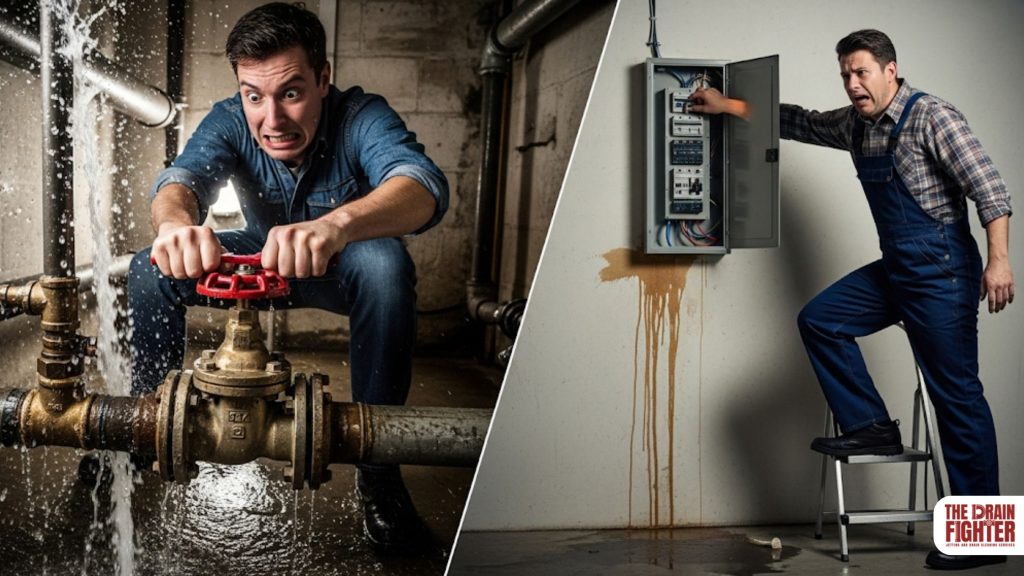
Each of these initial steps—shutting off water, cutting electricity, draining pipes, and containing the spill—lays the groundwork for successful damage control. By following them in swift succession, you transform a panicked scenario into a manageable incident, buying yourself the time needed to coordinate professional repairs.
Shut off the main water supply
Locating and shutting off your main water supply valve stops the relentless flow instantly, halting further intrusion. In most properties, this valve sits just before the water meter—inside in cooler climates or outside in an underground pit where meter readings occur. Turn the valve clockwise until it stops; you may hear water draining from faucets as pressure releases. This action not only curbs flooding but also prevents additional stress on weakened pipes elsewhere in your plumbing network.
Turn off electricity in the affected area
Water near electrical circuits is a serious hazard. Head to your breaker panel and kill power to any circuits servicing the flooded zones—bathrooms, kitchens, utility rooms, or basements. Avoid handling switches or outlets directly if they’re submerged. Shutting off electricity mitigates the risk of shocks and ensures you can move freely to execute cleanup tasks without endangering yourself or aggravating wiring damage.
Drain faucets and relieve residual pressure
With the main valve closed, open every cold water faucet in your home to drain standing water from the pipes. Follow by switching off your water heater and opening hot taps. This dual-step relieves lingering pressure that might otherwise force more water out of the burst area or other vulnerable joints in your system.
Contain the leak
Position a bucket or large container beneath the breach to capture escaping water, and wrap towels or rags around the pipe to slow ongoing drips. If you keep plumbing epoxy or a repair clamp in your emergency toolkit, apply it now to create a temporary seal. While not a permanent fix, these measures buy critical time until a professional arrives.
When should I call an Emergency Plumber Bethesda MD?
Emergency Plumber Bethesda MD services are designed to respond swiftly to crises that ordinary plumbing calls can’t address.
If you encounter any of these warning signs—visible flooding from broken pipes, sudden high-pressure leaks, groaning pipes under extreme water pressure, or water infiltration near electrical fixtures—it’s time to dial in backup. Licensed professionals possess the expertise to perform accurate leak detection, conduct safe excavation behind walls or under floors, and deliver certified repairs that meet Bethesda building codes.
Waiting too long not only risks mold growth in damp materials but also invites secondary damage like warped flooring, compromised insulation, and weakened structural supports. Save yourself both stress and hidden expenses by contacting an expert without delay. To streamline your search, you can find a licensed 24/7 emergency plumber who’s pre-vetted and ready to tackle even the most urgent plumbing catastrophes.
How will a professional handle burst pipe repair in Bethesda?

Once you’ve stabilized the situation, an emergency leak service technician will arrive equipped with advanced tools and industry-grade materials to assess and resolve the breach. Their process typically unfolds in distinct phases, each critical to ensuring your plumbing system regains full, safe functionality.
Pipe assessment and damage evaluation
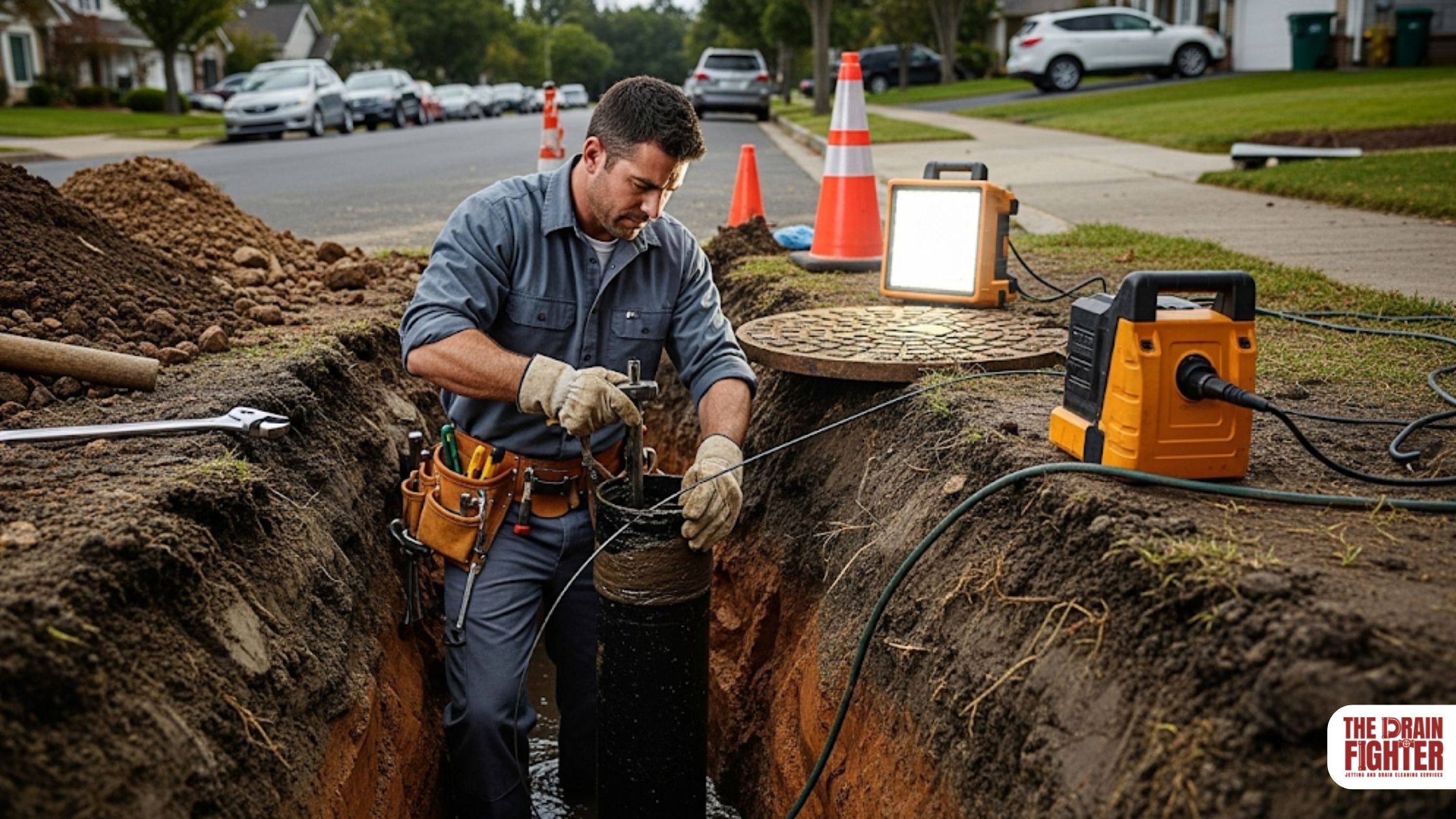
Technicians begin by tracing moisture with electronic leak detectors or thermal imaging cameras to pinpoint hidden cracks or pinhole leaks. Video inspection via sewer-camera may be deployed for pipes encased in walls or beneath concrete slabs. Accurate diagnosis ensures the repair targets every compromised section rather than merely patching visible damage.
Temporary repairs and containment
For immediate relief, the plumber might apply repair clamps, wrap the damaged section in epoxy putty, or use a mechanical sleeve—short-term solutions that stem the flow while preparing for a permanent fix. This rapid containment prevents water from infiltrating building materials and halts ongoing property damage.
Permanent repair and restoration
Based on the extent and location of the damage, professionals may cut out the damaged pipe segment and solder or clamp in a replacement piece. In cases of widespread corrosion or aging materials like poly-butylene or cast iron, full repiping of the affected zone might be recommended. Skilled plumbing technicians ensure all joints are sealed to manufacturer specifications and pressure test the system to confirm a leak-free outcome.
Preventative measures
To minimize future risk, experts advise insulating exterior-facing pipes, installing pressure regulators, and recommending regular maintenance schedules. Some homeowners opt for proactive leak detection systems that alert to water anomalies before they evolve into emergencies.
Essential tools and supplies to keep on hand for a burst pipe emergency
Having the right equipment within arm’s reach can save you critical minutes when every second counts. Below is a quick reference table of must-have items and their purposes in a burst pipe scenario.
| Tool/Supply | Purpose |
|---|---|
| Adjustable wrench | Shuts off outdoor curb valves |
| Screwdriver | Opens interior shut-off valves |
| Plumber’s epoxy putty | Provides short-term leak seal |
| Repair clamp | Offers temporary containment for pipe breaches |
| Towels and rags | Soaks up puddled water |
| Wet/dry vacuum | Extracts standing water efficiently |
| Flashlight | Ensures visibility in low-light utility spaces |
| Bucket | Captures ongoing drips |
How much does emergency plumbing cost in Bethesda?
Understanding pricing dynamics helps homeowners set realistic expectations and avoid sticker shock when reviewing an emergency leak service invoice. Factors that typically influence cost include the time of day or week, the complexity of accessing the damaged pipe, parts and materials required, and the urgency of the repair. Emergency call-out fees tend to apply outside regular business hours, and extensive repiping or wall refinishing can escalate project budgets.
For a detailed breakdown of typical fee structures in our local market, consult Cost of Emergency Plumbing in Bethesda before committing to a service. Transparent pricing empowers you to compare estimates, negotiate fair labor rates, and verify that the quoted solution addresses both immediate repairs and long-term system integrity.
Tips to prevent pipe bursts in your Bethesda home
Prevention of plumbing emergencies is equally as important as knowing how to respond when they strike. Simple, proactive measures protect both your property and your wallet.
Maintain consistent indoor temperatures, especially during winter, by insulating pipes in unheated areas like basements, crawl spaces, and exterior walls. Install a water pressure regulator to prevent undue stress on joints and fittings, and consider upgrading outdated piping materials prone to corrosion or thermal fatigue. Schedule annual plumbing inspections with a licensed technician to catch small leaks, corrosion spots, or loose fittings before they escalate into full-blown pipe ruptures.
Regularly test your shut-off valves to confirm they turn freely. A stuck valve in an emergency can wreak havoc by delaying critical leak containment. Creating a home emergency plan that includes valve locations, tool storage spots, and a trusted plumber’s contact ensures everyone in your household can act confidently under pressure.
What makes Bethesda homes vulnerable to burst pipes?
Bethesda’s seasonal swings—from humid summers to freezing winters—subject plumbing systems to expansion and contraction cycles that weaken pipe walls over time. Many properties in the region feature older infrastructure with early-generation copper, galvanized steel, or poly-butylene pipes that are more susceptible to corrosion, mineral buildup, and stress fractures.
High water pressure in certain neighborhoods further compounds the risk, pushing existing weaknesses beyond their tolerance thresholds. Homes built before modern building codes may lack adequate pipe insulation or pressure balancing valves. All these factors combined elevate the likelihood of sudden pipe failures unless homeowners adopt vigilant maintenance routines and timely upgrades.
Frequently Asked Questions
How can I locate the main water shut-off valve in my home?
Begin at your water meter, which commonly sits in a basement corner or outdoors in a covered pit next to the sidewalk. From there, follow the incoming supply line back into your house. The shut-off valve is usually placed just upstream of the meter. If you live in a multi-unit building, each apartment may have its own interior shut-off under the kitchen sink or near the laundry connection. Keep a flashlight handy and calmly trace the piping—marking the exact spot once found.
Is it safe to repair a burst pipe on my own?
While DIY temporary fixes like epoxy putty or a clamp can slow a leak, attempting full repairs without professional training carries risks. Poor soldering, mismatched pipe materials, or incomplete sealing can lead to recurring leaks, water damage behind walls, and potential mold growth. For peace of mind and warranty protection, rely on a licensed technician for permanent solutions.
How quickly should I call an emergency plumber after noticing a leak?
Contact a professional immediately after securing the shut-off valve, especially if water continues to escape at a high rate or if the leak is near electrical wiring. Delaying more than a few hours increases the risk of structural damage and mold proliferation. A swift call also helps you lock in same-day service before fully booked schedules cause further waits.
Will my homeowner’s insurance cover burst pipe damage?
Most standard policies cover sudden, accidental discharge of water from within plumbing—but specifics vary by insurer and policy terms. Coverage may exclude gradual leaks or lack of maintenance. Document the incident thoroughly with photos, keep repair receipts, and contact your insurance provider promptly to initiate a claim.
What are the common signs of hidden leaks I should watch for?
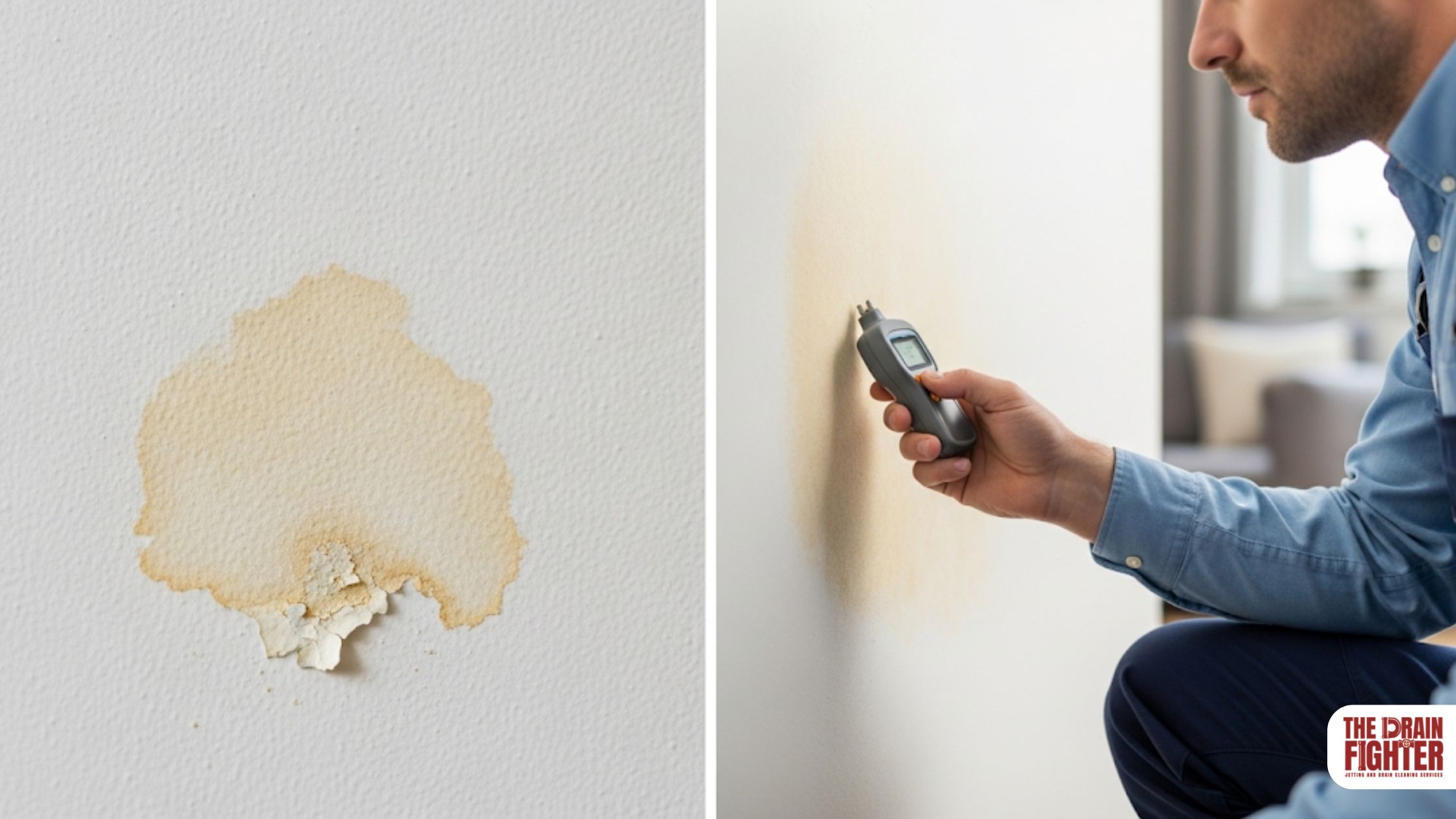
Yellowing or bulging spots on ceilings and walls, musty odors, unexplained spikes in your water bill, and the sound of constant dripping or running water when fixtures are off all suggest concealed pipe breaches. Regularly inspect crawl spaces, utility closets, and behind large appliances—early detection is the cornerstone of preventing catastrophic failures.
Final Words
In the critical moments following a pipe rupture, swift action not only stops further damage but sets the stage for a thorough, professional restoration. From knowing your water shut-off valve location and having a basic emergency toolkit at the ready, to understanding when to call in expert hands, each step reduces risk and cost. When you need dependable support, remember that an Emergency Plumber Bethesda MD specialist can provide licensed, code-compliant repairs around the clock.
If you’re ready to fortify your plumbing system against emergencies or require immediate assistance, don’t hesitate to Contact us for reliable solutions tailored to Bethesda homes. At The Drain Fighter, our commitment is to deliver swift leak detection, precise burst pipe repair, and proactive maintenance plans that keep your water flowing where it belongs—inside pipes, not on your floors. Trust our seasoned expertise to transform panic into peace of mind.