In Prince George’s County, homeowners frequently face clogged drains that disrupt daily routines and affect property maintenance. Experts have found that while many residents initially consider a DIY drain fix vs plumber solution, the severity and recurrent nature of clogs often necessitate professional drain cleaning. With local plumbing advice widely available, this blog explores the pros and cons of both DIY and professional methods. The discussion also covers advanced techniques such as professional drain snaking and hydro jetting, highlighting the practical choices homeowners have when addressing clogged drains.
A careful analysis of the top blogs on this subject indicates that while DIY methods offer immediacy and cost-effectiveness, professional services provide high-quality results and long-term prevention. Homeowners seeking guidance can also find valuable insights when they explore Drain Cleaning Help in Prince George’s County.
Understanding Drain Clogs in Prince George’s County

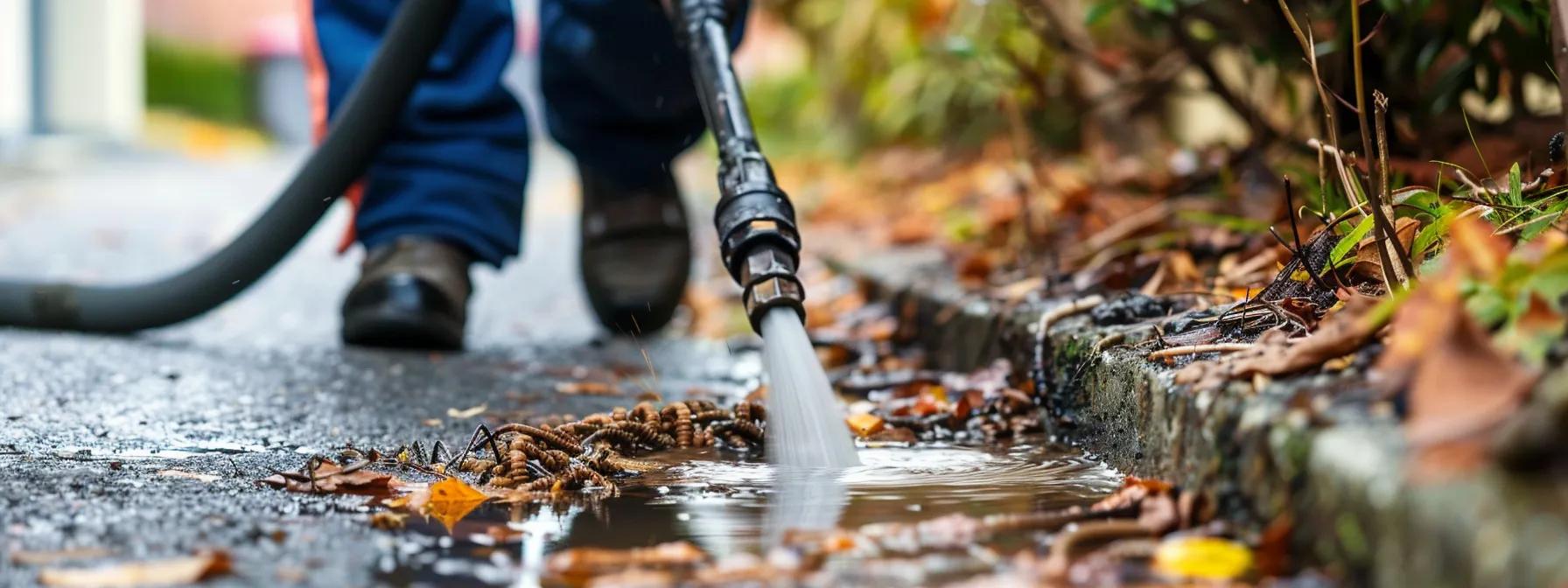
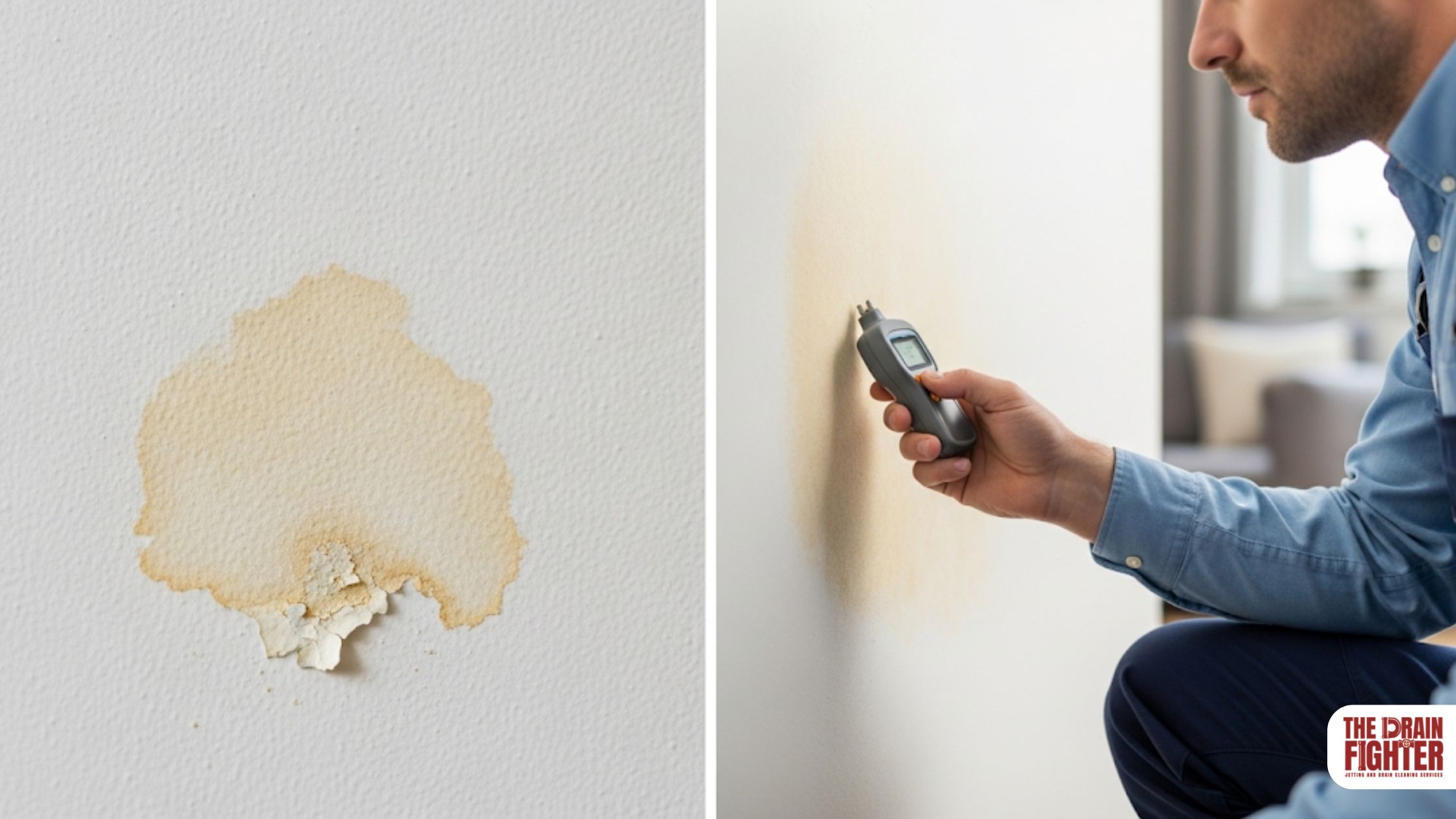
Drain clogs can be caused by a multitude of factors that vary according to local conditions. In Prince George’s County, the buildup of hair and soap scum in bathrooms, grease and food remnants in kitchen sinks, and even tree root invasion in outdoor sewer lines are common culprits. These issues tend to escalate with frequent blockages, causing discomfort and sometimes even water damage.
Local experts emphasize that a clear understanding of the cause is essential. In many cases, homeowners benefit from learning about regional best practices, as outlined by Drain Cleaning Services Prince George’s County. By recognizing factors like seasonal tree growth and soil type, residents can make informed decisions between attempting a DIY fix or seeking professional intervention.
DIY Drain Cleaning Methods: The Pros and Cons
Many homeowners initially opt for DIY methods when confronted with a slow-draining sink or clogged shower. The primary appeal is cost-effectiveness and immediate action. Common DIY techniques include using a plunger, applying a vinegar and baking soda solution, using a drain snake, or even employing boiling water to dissolve buildup.
DIY methods can resolve minor clogs effectively. However, these solutions are often temporary, and repeated attempts might lead to additional wear on plumbing pipes. Mishandling tools like a drain snake or overusing chemical cleaners can inadvertently cause pipe damage, leading to more extensive repairs and higher costs over time.
Below is a table summarizing common DIY drain cleaning methods, the tools or materials required, and the type of clogs they most effectively treat:
| Method | Tools/Materials | Suitable Clogs |
|---|---|---|
| Plunger | Plunger | Minor clogs in sinks, toilets, and tubs |
| Drain Snake | Manual or hand-cranked drain snake | Hair and small debris blockages |
| Boiling Water | Boiling water | Grease or soap scum accumulation |
| Vinegar & Baking Soda | Household vinegar, baking soda | Light clogs due to organic buildup |
| Wet/Dry Vacuum | Wet/dry vacuum | Small clogs with both liquid and solids |
This table assists homeowners in weighing the DIY options before comparing them with professional services. For those who explore professional help after an unsuccessful DIY attempt, scheduling can be effortlessly initiated via Request a Quote.
Professional Drain Cleaning Solutions: When to Call a Pro

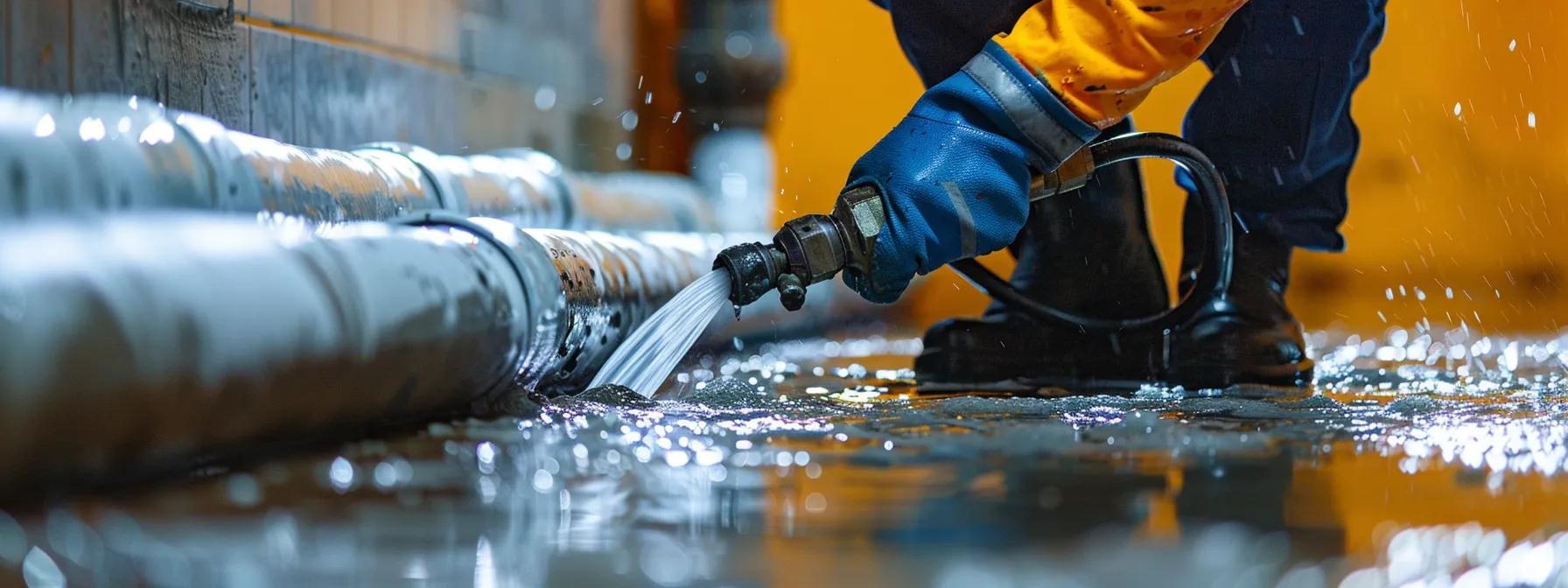
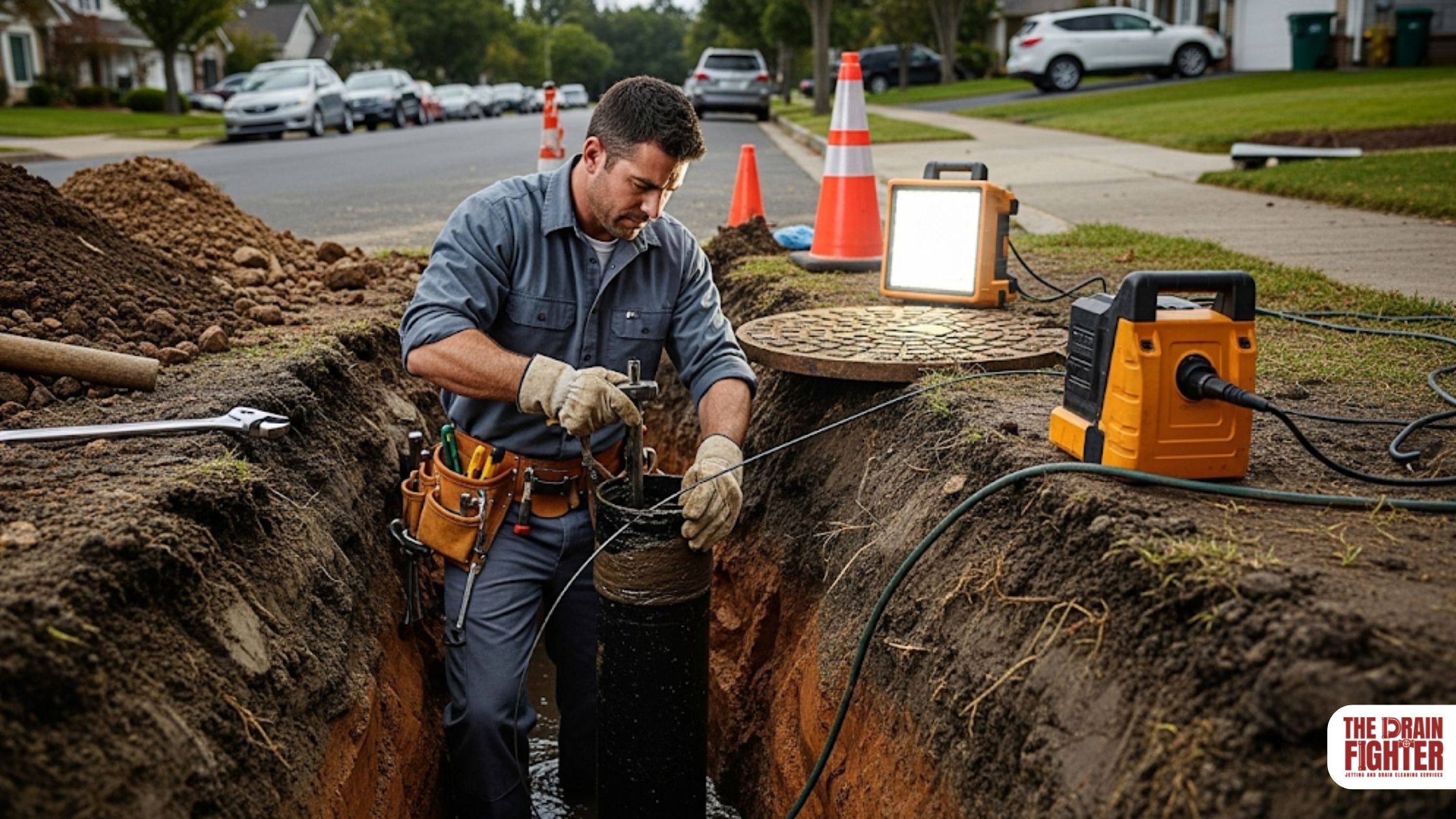
Professional drain cleaning is a well-rounded service that goes beyond mere clog removal. Licensed plumbers employ advanced tools such as high-pressure hydro jetting, video camera inspections, and professional drain snaking devices to detect and eliminate clog sources deep within the plumbing system.
These professionals not only clear blockages but also identify underlying issues—such as damaged pipes, structural blockages, or recurring debris—that might cause future clogs. Their methods are designed to maintain the integrity of the pipes and prevent repeated problems, making long-term savings more likely despite a higher initial service cost.
Cost is a major factor when choosing between DIY and professional services. Although DIY fixes might seem affordable, repeated clogs and potential pipe damage could result in higher repair costs over time. Experts recommend that homeowners consider the safer and more effective long-term approach offered by professional drain cleaning services. For those interested in understanding the components behind pricing, a comprehensive breakdown is available through the Drain Cleaning Cost Guide Prince George’s County.
Comparative Analysis: DIY vs. Professional Drain Cleaning
A closer examination of both approaches reveals significant differences in outcomes and reliability. While DIY methods offer convenience for minor clogs, they are often limited in scope and longevity. By contrast, professional services deliver comprehensive cleaning using cutting-edge technology and skilled technicians to ensure lasting solutions.
To elucidate these differences, the following table compares key criteria between the DIY approach and professional drain cleaning:
| Criteria | DIYApproach | ProfessionalService |
|---|---|---|
| Cost | Lower upfront cost but potential for repeated fixes | Higher initial cost that prevents recurring clogs |
| Effectiveness | Adequate for minor clogs; often temporary | Thorough removal of deep and stubborn blockages |
| Riskof Damage | High risk if tools or chemicals are misused | Minimal risk with trained technicians and advanced tools |
| Long-term Result | Often a temporary fix | Lasting solution with preventive maintenance |
| Safety | Exposure to hazardous chemicals and improper techniques | Safe use of professional-grade equipment |
This analysis highlights that, although DIY may work for an isolated incident, the comprehensive and preventive benefits of professional techniques are superior for long-term pipe health. Homeowners are encouraged to review the statistical advantages and service reliability by checking The Drain Fighter Reviews for authentic customer testimonials.
Local Plumbing Advice for PG County Homeowners
For residents in Prince George’s County, customized plumbing advice is crucial due to unique regional conditions. Local environments—affected by humidity, soil composition, and seasonal vegetation growth—may lead to specific clog patterns not commonly seen in other regions.
Experts advise that homeowners adopt regular maintenance routines, especially in high-risk areas like kitchen and bathroom drains. They should also consider the expertise available from local professionals who understand the nuances of the county’s plumbing challenges. By consulting resources such as Drain Cleaning Help in Prince George’s County, residents can stay updated on best practices and preventive strategies tailored to their local conditions.
In addition, local plumbing experts frequently suggest professional inspections if repeated blockages occur even after a DIY attempt. This not only safeguards the plumbing system but also protects overall property value.
Maintenance and Prevention Tips

Consistent maintenance can greatly reduce the need for both DIY fixes and professional interventions. Experts recommend homeowners adopt a few routine practices to extend the life of their drain systems and prevent clogs:
- Install DrainGuards: Using screens or drain covers can trap hair and debris before they reach the pipes.
- Avoid GreaseDisposal: Instead, dispose of cooking grease in the trash rather than pouring it down the drain.
- Regular Flushing: Periodically flush drains with boiling water to clear slight buildups.
- Limit Chemical Use: Avoid over-relying on chemical cleaners that can damage pipelines over time.
- Routine Inspections: Schedule periodic professional inspections to catch emerging issues early.
For visual evidence of the difference between neglected drainage systems and properly maintained ones, residents may enjoy browsing through The Drain Fighter Gallery to see real-life before-and-after cases.
The Role of Expert Advice and Service Quality
When plumbing issues persist, expert advice can be indispensable. Professional plumbers not only provide immediate cleaning but also offer guidance on future preventative measures and system upgrades. They can explain the benefits of advanced techniques like professional drain snaking versus simple DIY tools and outline why these methods yield better long-term outcomes.
Homeowners are often advised to look for certifications and customer feedback before selecting a service provider. Positive reviews and a proven track record can indicate that a plumbing professional values quality and safety. Interested individuals can learn more about service quality and customer satisfaction by visiting The Drain Fighter, a reputable brand known for outstanding performance and service.
Conclusion: Choosing the Right Service
Ultimately, the decision between a DIY drain fix vs plumber is influenced by the severity of the clog, the homeowner’s comfort level with maintenance tasks, and long-term cost considerations. While DIY methods serve as a viable short-term solution for minor clogs, the advantages of professional drain cleaning—such as advanced diagnostic tools, long-lasting results, and enhanced safety—make it the preferred choice for recurring or severe blockages.
For homeowners who want a reliable and enduring solution, the skilled technicians at The DrainFighter provide unparalleled service. Their experience in professional drain snaking, thorough diagnostics, and emphasis on long-term pipe health makes them a trusted option for all your drain cleaning needs.
FAQs
Q1: What are the common causes of drain clogsin Prince George’s County?
Experts note that hair, soap scum, kitchen grease, and even tree roots are frequent culprits for clogs in local homes. These factors are compounded by regional environmental conditions, making regular maintenance essential.
Q2: When should a homeowner opt for DIYdrain cleaningversus calling a professional?
DIY methods can be effective for minor, superficial clogs. However, if blockages persist or if advanced tools are needed to reach deeper clogs, it is advisable to call a professional to ensure a complete and damage-free cleaning.
Q3: What tools are recommended for a DIYdrainfix?
Common DIY tools include plungers, drain snakes, as well as natural solutions like boiling water or a mix of vinegar and baking soda. These methods work best on light blockages but may not eliminate deeper issues.
Q4: How does professional drainsnakingdiffer from using a DIYdrain snake?
Professional drain snaking involves sophisticated, high-powered equipment and skilled technicians. This method not only clears blockages thoroughly but also minimizes potential pipe damage—a level of precision that most DIY tools cannot match.
Q5: How often should drain cleaningbe performed to prevent recurring clogs?
Experts generally recommend a routine inspection every six to twelve months, depending on usage and the age of the plumbing system. Regular maintenance, as advised by local professionals and noted in Drain CleaningCostGuide Prince George’s County, can help prevent expensive repairs.