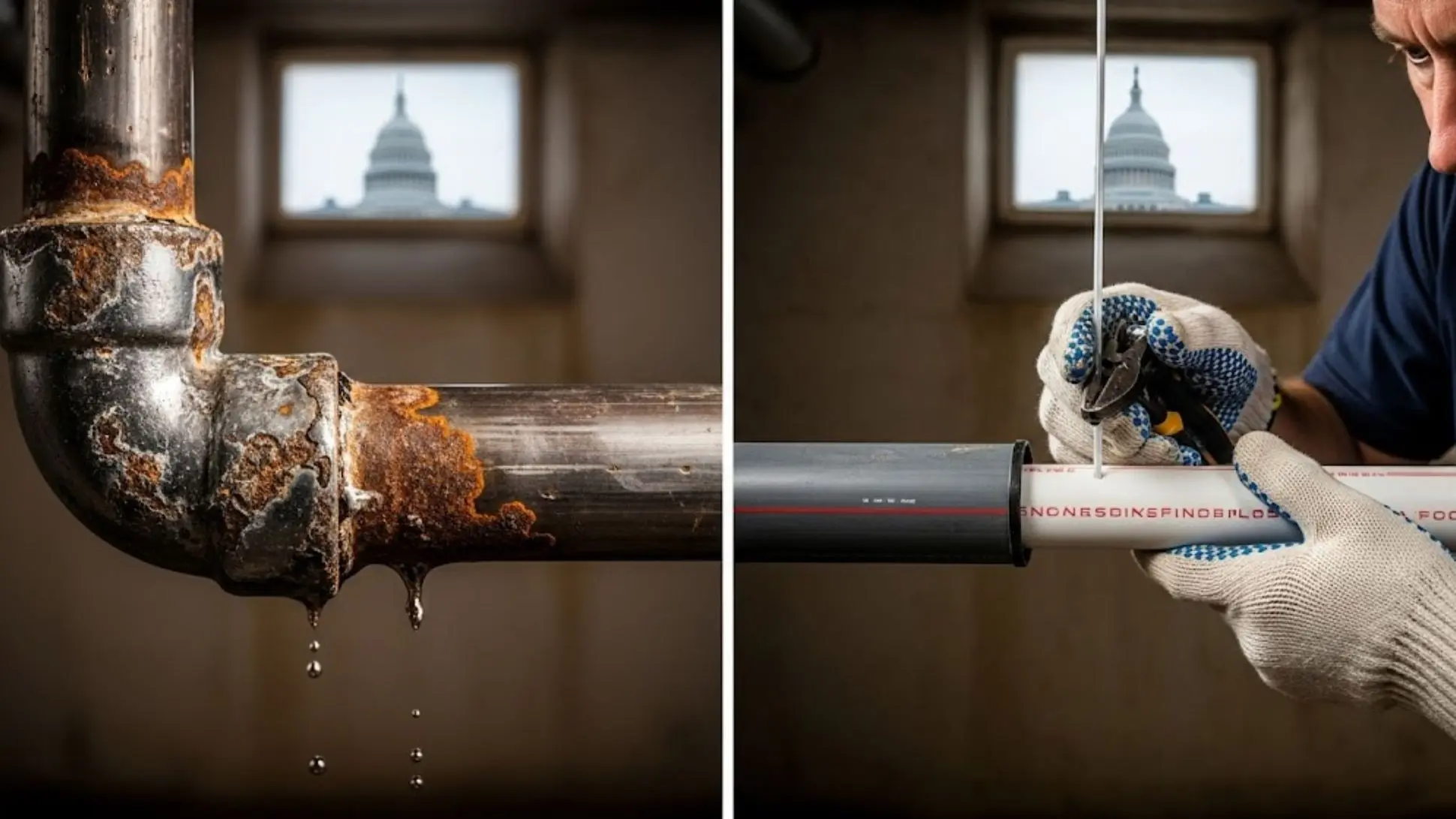
Older homes in Washington, D.C. frequently feature worn-out service lines and lead pipes that can mess with your water’s quality and safety. Spotting these aging materials and getting them professionally swapped out is key to protecting your family and your home’s value. This guide breaks down the usual old pipe materials you’ll find in D.C., the tell-tale signs you need new pipes, The Drain Fighter’s complete replacement services, help available from DC Water, the tricky bits with historic homes, and why picking The Drain Fighter means dependable, upfront service. You’ll also learn how expert repiping services can boost your water pressure, cut down health risks, and keep your investment solid.
What Kind of Old Pipes Are Common in Washington, D.C. Homes?
Old plumbing in D.C. residences often uses materials that break down over the years, leading to leaks, weak water flow, and contamination. Knowing each pipe type’s quirks, how long they usually last, and how they fail helps homeowners get ahead of problems before they turn into emergencies.
Galvanized steel and lead were the go-to materials until the mid-20th century, followed by polybutylene, cast iron, and Orangeburg. Each material shows specific wear patterns and poses distinct health risks, calling for custom replacement strategies.
| Material | Common Issue | Typical Lifespan |
|---|---|---|
| Lead pipe | Toxic leaching into water | 100+ years* |
| Galvanized steel | Corrosion, blockages | 20–50 years |
| Polybutylene | Stress cracks, sudden bursts | 15–30 years |
| Cast iron | Internal rusting, pinhole leaks | 50–80 years |
| Orangeburg | Collapsing fiber deterioration | 20–40 years |
The table above highlights that lead and galvanized steel pipes bring both health concerns and flow restrictions. Understanding these issues helps you decide when to repipe with modern, safer materials and prepares you to spot the visible warning signs.
How to Spot Lead Pipes and Understand Their Health Dangers
Lead service lines typically look dull gray, feel soft to the touch, and are prone to developing tiny leaks. If your tap water has a strange color, a metallic taste, or if lead tests come back high, it’s a sign of dangerous contamination that can harm children’s brain development and adults’ heart health.
Health Risks from Lead Pipes
Exposure to lead through contaminated water can lead to serious health problems, especially for kids. Lead exposure can negatively affect brain development and heart health in adults.
What Problems Do Galvanized Pipes Cause in Older Homes?
Galvanized steel pipes tend to build up mineral deposits and rust on their insides, which narrows the pipe diameter and reduces water pressure over time. These blockages can encourage bacterial growth and cause drips at joints, leading to water damage hidden behind walls and under floors.
Why Are Polybutylene Pipes a Headache in D.C. Properties?
Polybutylene pipes became popular because they were cheap and easy to bend. However, they break down when exposed to treated municipal water, developing tiny cracks that can burst without warning. Older polybutylene lines often fail near the connections or under constant pressure.
What Are Cast Iron and Orangeburg Pipes Like?
Cast iron drains are tough against impacts but corrode from the inside, causing slow draining and unpleasant odors. Orangeburg pipes, made from compressed tar and wood pulp, lose their strength in damp soil, leading to collapses and sewage backups. Knowing how these pipes fail sets the stage for effective repiping solutions.
What Are the Signs Your Washington, D.C. Home’s Old Pipes Need Replacing?
Catching the early warning signs of pipe failure allows for timely planning and helps prevent expensive water damage. Key indicators include changes in water quality, a drop in performance, and unexpected costs from inefficient plumbing.
Discolored water, low pressure, and frequent leaks aren’t just minor plumbing annoyances; they’re symptoms of corroded or scaled pipe interiors. Recognizing these signs and acting fast ensures uninterrupted service and healthier water.
How Does Discolored Water Point to Pipe Issues?
A brown, yellow, or reddish tint in your water often comes from rust particles breaking loose inside corroded pipes. Extended iron oxidation can stain your fixtures and laundry, signaling that galvanized or cast-iron lines are deteriorating.
What Causes Low Water Pressure in Old Plumbing Systems?
Mineral buildup inside old pipes constricts the flow, leading to sputtering faucets and weak showers. Pressure loss can also happen due to partial blockages at fittings or collapsed Orangeburg sections, indicating a need for professional assessment.
How to Spot Frequent Leaks and Water Stains from Old Pipes?
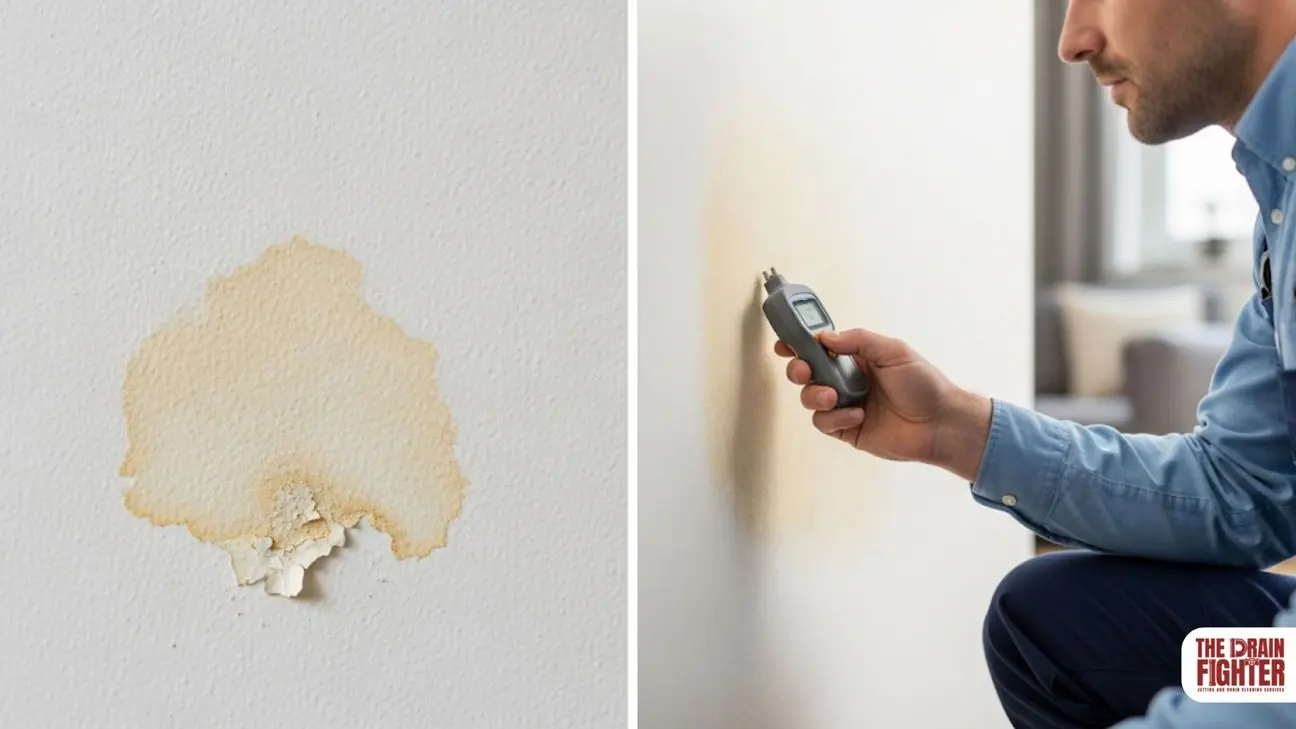
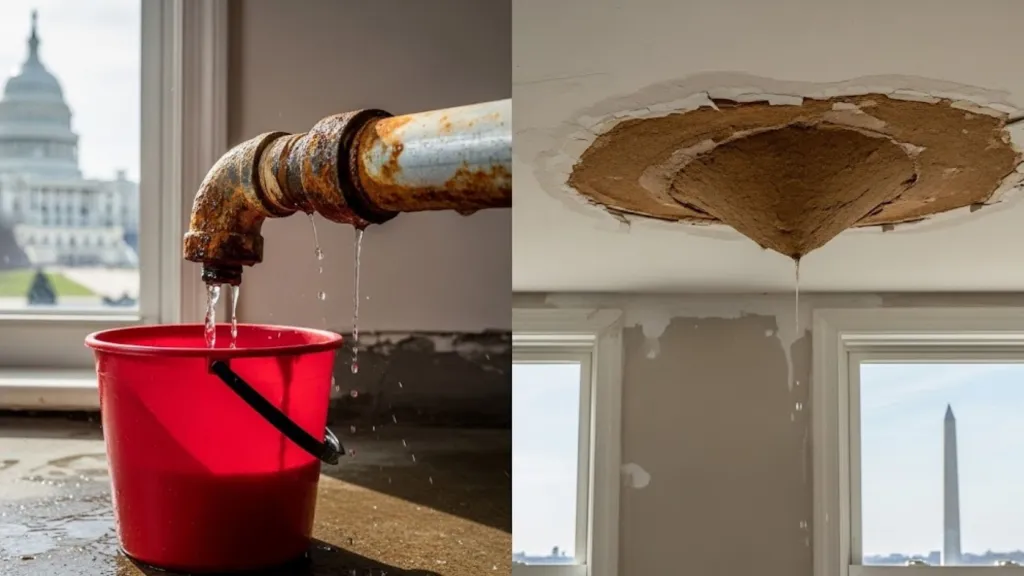
Recurring puddles, wall marks, and ceiling stains suggest hidden drips from compromised joints or tiny rust holes. Moisture often precedes mold growth and structural rot, so finding leaking sections early prevents secondary damage.
Why Do Noisy Pipes Mean Plumbing Problems?
Rattling, banging, or hissing sounds can indicate sudden pressure changes, water hammer effects, or steam escaping from corroded pipes. These audible warnings often go hand-in-hand with loose supports or failing shut-off valves, requiring a technician’s attention.
How Can Higher Water Bills Signal Hidden Pipe Problems?
Unexpected jumps in your monthly bills suggest unseen leaks or inefficient flow caused by internal scaling. Keeping an eye on usage patterns compared to your household routines helps distinguish between actual increased consumption and waste from old pipes.
How Does The Drain Fighter Handle Repiping and Lead Pipe Replacement in Washington, D.C.?
Comprehensive repiping swaps out problematic service lines with materials that resist corrosion, bringing back optimal flow and safety. The Drain Fighter’s approach combines thorough inspections, modern trenchless methods, and clear pricing to minimize disruption.
Our technicians start with a camera inspection and water quality test to map out all the aging pipe sections. From there, homeowners can choose between repiping the entire house or doing targeted partial replacements, selecting copper, PEX, or PVC based on durability and cost.
| Pipe Type | Durability | Key Benefit |
|---|---|---|
| Copper | 50–70 years | Antimicrobial interior lining |
| PEX | 30–50 years | Flexible installation, freeze-resistance |
| PVC | 50–70 years | Cost-effective, chemical-resistant |
Modern Pipe Materials
Modern repiping often involves using materials like copper, PEX, and PVC, each offering different advantages in durability, flexibility, and cost-effectiveness. These materials are chosen to ensure long-term performance and water quality.
This comparison helps clarify why copper is a great long-term investment, PEX is ideal for flexible retrofits, and PVC offers budget-friendly solutions where flexibility isn’t a priority. Next, you’ll discover how trenchless techniques further reduce the need for digging.
What’s the Whole-House Repiping Process and Its Advantages?
Whole-house repiping means replacing all the interior water lines in one go, ensuring consistent performance and warranty coverage. The benefits include steady water temperatures, elimination of health hazards, and an increase in your property’s value.
When Is It Smart to Do a Partial Pipe Replacement?
Selective replacement tackles only the most worn-out sections – perfect for phased budgets or fixing minor leaks. This method keeps the unaffected pipes in place while addressing specific failures, bridging the gap until a full repipe is feasible.
Which Modern Pipe Materials Are Best for Replacement?
Copper’s long lifespan and natural ability to resist bacteria make it a top-tier choice. Cross-linked polyethylene (PEX) offers protection against freezing and quick installation with fewer connections. PVC provides chemical stability and cost savings when flexibility isn’t a requirement.
How Does Trenchless Pipe Replacement Work in D.C. Homes?
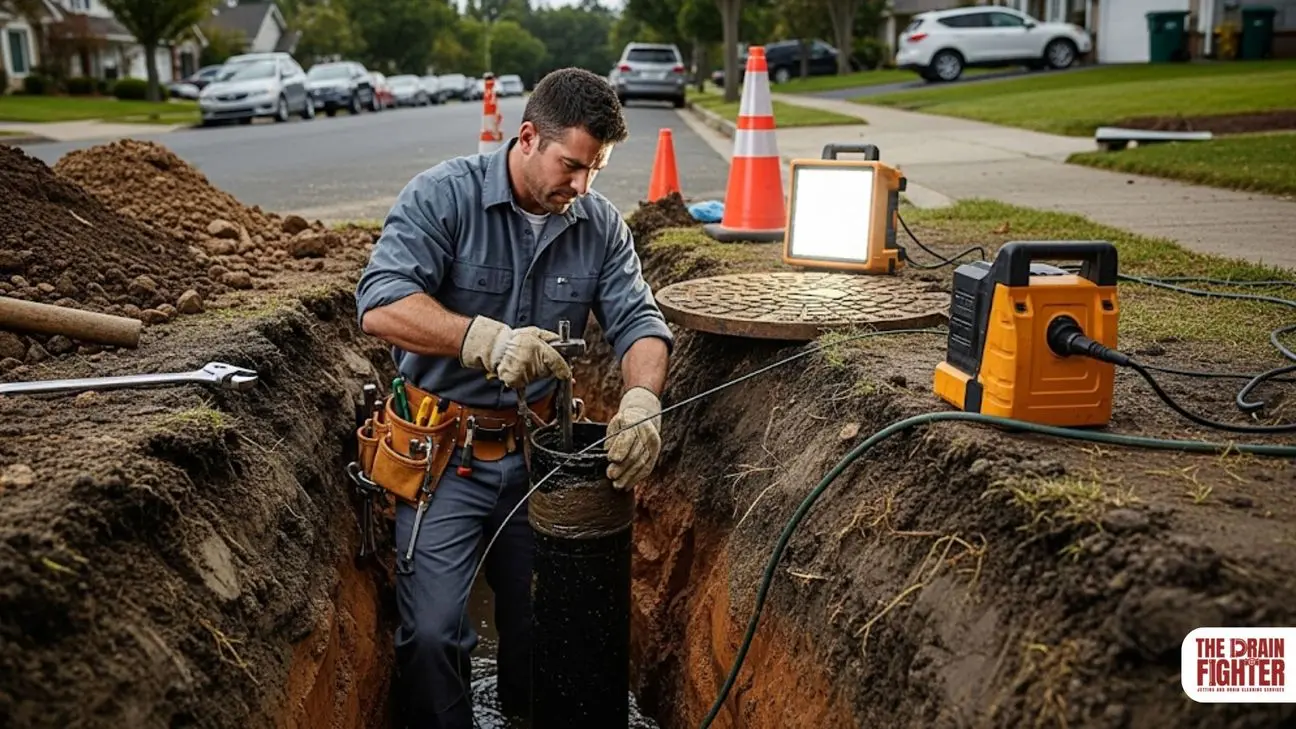
Trenchless repiping uses pipe-bursting or lining methods to install new service lines through existing pathways, cutting down on yard excavation and restoration expenses. This technique preserves your landscaping and historic building exteriors while upgrading your entire system.
How Can Washington, D.C. Homeowners Benefit from DC Water’s Lead Pipe Replacement Programs?
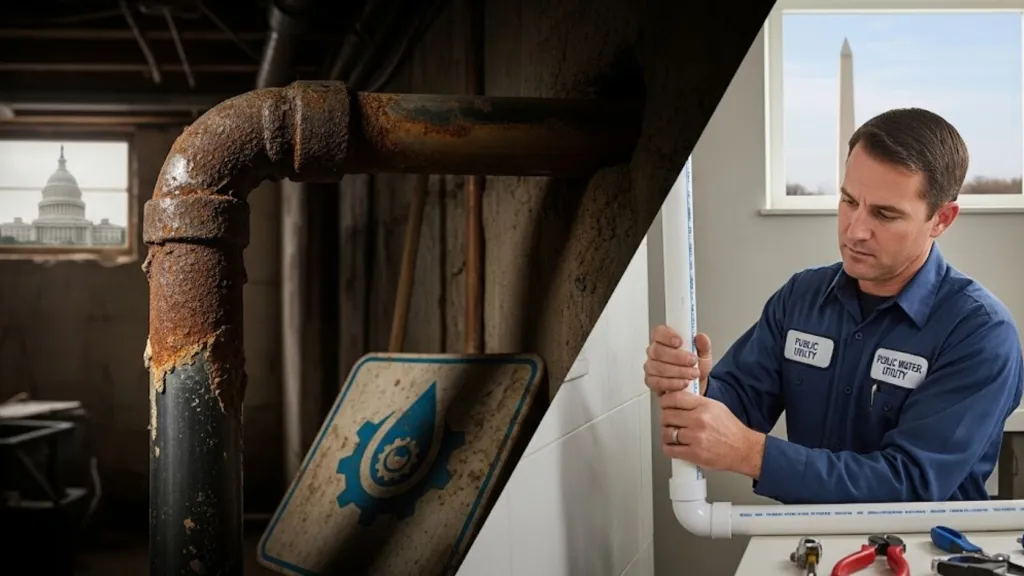
DC Water offers a Lead Pipe Replacement Assistance Program (LPRAP) to speed up the removal of lead service lines. Homeowners might qualify for free or discounted replacements, improving water safety without the full cost upfront.
DC Water Lead Pipe Replacement Programs
DC Water provides programs to help homeowners with lead pipe replacement, potentially covering costs and ensuring compliance with city regulations. These programs aim to speed up the removal of lead service lines and enhance water safety for residents.
Key perks include waived inspection fees, reduced cost-sharing, and guaranteed compliance with city codes. Participating ensures that replacement work meets DC Water’s standards and protects community health.
- Schedule a DC Water inspection to confirm eligibility and ownership of your service line.
- Submit the application along with the required documents from DC Water.
- Get approval for full or partial financial help with lead replacement.
- Coordinate with approved contractors to carry out the authorized work.
Signing up for LPRAP lowers your out-of-pocket costs, aligns with city schedules, and automatically handles city permits. With the program’s support, homeowners can plan major upgrades more affordably.
What Is the DC Water Lead Pipe Replacement Assistance Program (LPRAP)?
LPRAP is a collaboration between property owners and DC Water to swap lead service lines for approved materials. It covers inspection, permits, and specific labor costs, based on income or home equity factors.
How Do I Apply for Free or Discounted Lead Pipe Replacement in D.C.?
Fill out the official application, provide proof of residency and financial eligibility, and invite DC Water to inspect your service line. Once approved, schedule the work with a licensed installer.
What Are the Main Benefits of Joining DC Water’s Programs?
Participants get cost savings, professional oversight, and installations that meet all codes. The program also speeds up replacements, cutting down the time residents are exposed to lead and benefiting the wider community.
What Plumbing Challenges Are Unique to Historic Homes in Washington, D.C.?
Historic residences often have unusual layouts, hidden pipe routes, and preservation rules that limit visible changes. Dealing with these restrictions requires specialized knowledge in both plumbing mechanics and heritage preservation.
Older mansions and row houses frequently have multiple floors and cast-iron drain stacks that run through finished living areas. Discreet access and coordination with preservation boards become crucial for any upgrade project.
How Do Historic Home Plumbing Codes Impact Pipe Replacement?
District regulations require that any exposed piping must either maintain original materials or match the historic look. Permits demand detailed design plans and may involve working with historic preservation officers.
What Are the Typical Plumbing Layouts and Materials in Historic D.C. Homes?
Homes from the early 20th century commonly used vertical cast-iron stacks connected to copper or galvanized branch lines. Crawl spaces are often tight, attic spaces mirror floor plans, and original valves are still found in rarely accessed utility closets.
How Does The Drain Fighter Handle Plumbing Preservation and Upgrades?
Our team uses methods that avoid major disruption, like micro-trenching and concealing pipes behind existing paneling. We coordinate with preservation experts, repaint fixtures to match original finishes, and maintain original sightlines while improving performance.
Check out real project transformations in our gallery of historic work to see how we seamlessly blend delicate preservation with modern plumbing.
Why Choose The Drain Fighter for Old Pipe and Lead Pipe Replacement in Washington, D.C.?
Picking a qualified local expert ensures you meet D.C. codes, have clear communication, and get prompt emergency service. The Drain Fighter combines licensed plumbers with straightforward pricing, flexible financing, and a strong dedication to water quality.
How Does The Drain Fighter’s Local Knowledge Help D.C. Customers?
Understanding neighborhood regulations, seasonal ground shifts, and underground utilities in each part of the city reduces delays. Our familiarity with D.C.’s permit process speeds things up, keeping your project on track.
What Credentials and Experience Do The Drain Fighter Plumbers Have?
Every technician is licensed by DCRA, insured, and bonded. With over 500 repiping projects completed in the area, our team brings seasoned expertise in both modern and historic plumbing systems.
How Does The Drain Fighter Ensure Clear Pricing and Financing Options?
We provide detailed estimates broken down by item, guarantee no surprise charges, and offer various payment options, including 0% APR financing. Clear cost breakdowns allow homeowners to select solutions that fit their budget without hidden fees.
What Is The Drain Fighter’s Commitment to Water Quality and Safety?
We perform water tests before and after installation, disinfect new lines, and follow EPA guidelines for lead reduction. Our process protects your family’s health and adheres to DC Water standards every step of the way.
What Are the Common Questions About Old Pipes and Lead Pipe Replacement in Washington, D.C.?
Homeowners often want to know about timelines, costs, and how to confirm the presence of lead before committing to repiping. Below are clear answers to those frequent questions, organized under each question for easy understanding.
How Long Does Repiping Usually Take in D.C. Homes?
A full-house repipe typically takes 2–4 days, depending on the home’s size and access points. Partial replacements can often be finished in a single day if only a few sections need attention.
Is Replacing Lead Pipes Worth the Cost for Washington, D.C. Homeowners?
Investing in lead removal eliminates health risks, boosts your home’s resale value, and often qualifies for DC Water subsidies that help cover initial costs. The long-term savings on maintenance and liability make the upfront investment worthwhile.
How Can I Be Sure If My Home Has Lead Pipes?
A licensed plumber can perform a non-damaging inspection by tapping visible service lines and testing water samples for lead levels. DC Water also offers free testing and line tracing for eligible properties.
What Are the Benefits of Replacing Old Pipes in Washington, D.C.?
Modern repiping improves water pressure, stops leaks, eliminates contamination, and increases property value. It secures your plumbing’s integrity and reduces the need for costly emergency repairs over the years.
How Much Does Lead Pipe Replacement Cost in Washington, D.C.?
The total cost typically ranges from $3,000 to $8,000 for a standard single-family home, depending on the line’s length, the material chosen, and site accessibility. DC Water incentives and financing plans can further reduce the out-of-pocket expense.
Does DC Water Replace Lead Pipes for Free?
DC Water may cover the full cost of replacement for homeowners who meet income qualifications, while others can receive significant discounts. Approval depends on meeting eligibility requirements and the availability of funds through LPRAP.
Upgrading outdated plumbing in Washington, D.C. requires a mix of technical skill and local expertise. The Drain Fighter is ready to guide you through identifying issues, enrolling in programs, and professional installation. Request your personalized quote today to protect your water quality and restore reliable flow in your home.