Smart Techniques for Effective Drain Cleaning Selection
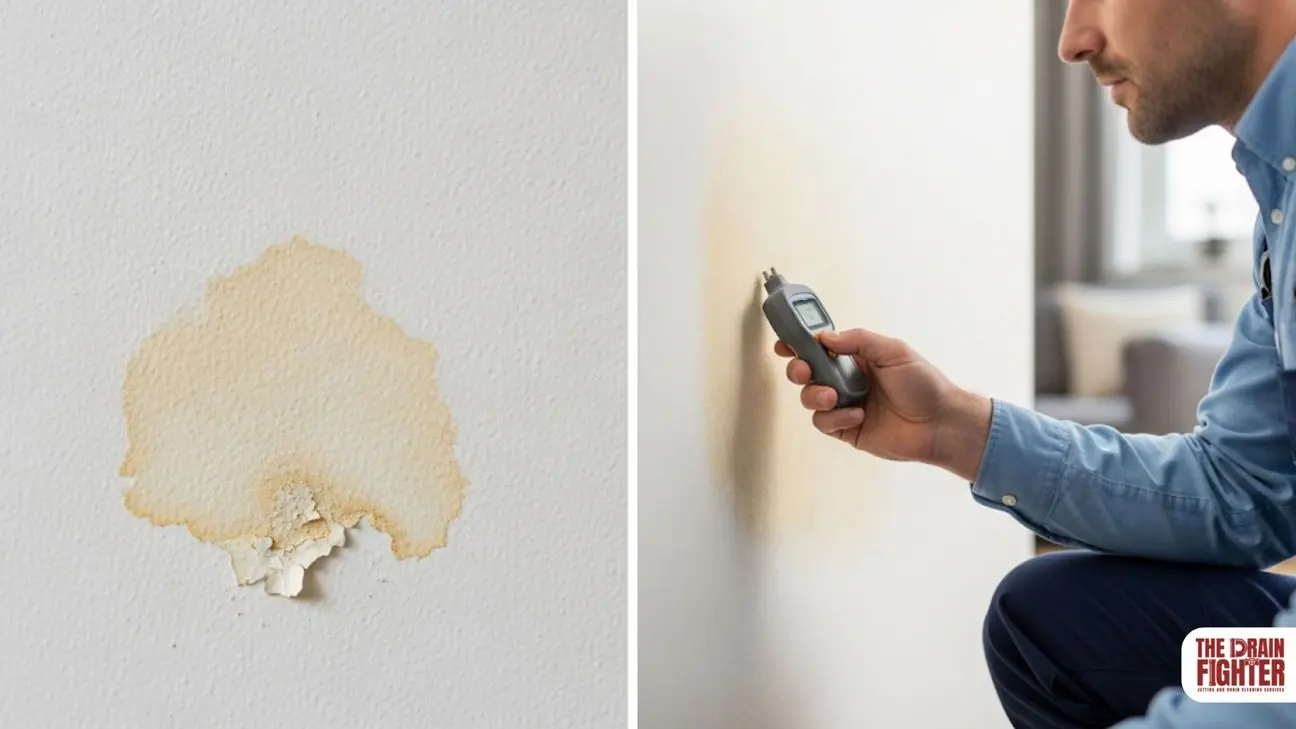
Maintaining clean and efficient drains is essential for every homeowner to prevent blockages, water damage, and unpleasant odors. This article presents various drain cleaning techniques—from DIY methods to professional services (including emergency services)—to protect your plumbing system while considering safety and cost. Whether you use manual tools, chemical cleaners, hydrojetting, or enzymatic treatments, understanding these methods helps you balance effectiveness, safety, and your budget. Additionally, keeping an eye out for plumbing leaks can save you from bigger issues later on, and sometimes all you need is a little help from the drain fighter.
Key Takeaways
- Various drain cleaning methods include manual tools, chemical agents, hydro-jetting, and enzymatic treatments.
- Each technique effectively targets different clog types, such as grease, hair, or tree root infiltrations.
- Safety, cost, and potential damage to pipes are critical factors in selecting a method.
- Professional drain cleaning services offer advanced tools and expertise for persistent clogs.
- Regular maintenance and proper waste disposal help prevent future blockages.
Understanding Different Drain Cleaning Methods for Homes
Choosing the right drain cleaning method begins with understanding the available techniques. Manual tools, chemical-based cleaners, hydro-jetting, enzymatic treatments, and professional snaking services each have unique procedures, benefits, and risks. Manual tools like plungers and drain snakes break up minor debris and soap scum. Chemical cleaners, typically containing substances like sodium hydroxide, dissolve organic buildup but may damage older cast iron or PVC pipes if overused. Hydro-jetting uses high-pressure water to clear stubborn clogs and mineral deposits, while enzymatic treatments employ natural bacteria to digest organic matter gradually. Professional snaking is best for severe obstructions that resist DIY approaches.
Exploring Manual Drain Clearing Tools for Residential Use
Manual tools—plungers and drain snakes (augers)—use pressure and physical force to dislodge clogs caused by hair, food particles, and soap scum. Their affordability and accessibility make them popular for minor clogs. Homeowners should carefully follow manufacturer guidelines to avoid damage to cast iron, PVC, or stainless steel pipes.
Assessing Chemical-Based Cleaners for Household Drains
Chemical drain cleaners dissolve organic buildup with substances like sodium hydroxide or hydrochloric acid. These agents work quickly against grease, soap scum, and hair but require careful dosage and proper ventilation to prevent damage to your plumbing system. Their aggressive nature can lead to corrosion in older pipes, so use them sparingly and according to safety instructions.
Considering Hydro-Jetting for Thorough Home Drain Cleaning
Hydro-jetting employs high-pressure water to remove clogs, grease, and mineral deposits from pipes. This method is effective for persistent obstructions and leaves pipes cleaner overall, reducing future clogs. However, because it exerts significant pressure, skilled technicians are needed to ensure that older or corroded pipes are not damaged. Though costlier than DIY methods, hydro-jetting provides long-lasting results.
Reviewing Enzymatic and Biological Drain Treatment Options
Enzymatic and biological treatments use natural bacteria and enzymes to break down grease, hair, and food waste organically. These methods are environmentally friendly and gentle on all types of pipes, including porcelain and stainless steel, making them ideal for regular maintenance. They work more slowly than chemical cleaners but reduce the risk of long-term damage and help prevent recurring clogs.
Examining Professional Snaking Services for Homeowners
Professional snaking uses motorized drain snakes and advanced diagnostics to tackle severe clogs caused by debris, tree roots, or foreign objects. Although more expensive than DIY methods, professionals use high-end equipment to minimize pipe damage while accurately diagnosing underlying issues. This option is recommended when home remedies fail to restore proper drainage.
Identifying the Nature of Your Residential Drain Clog
Knowing the type and severity of your drain clog is essential before choosing a cleaning method. Determine if the blockage is due to debris, food particles, hair, or larger objects. Early evaluation can prevent widespread issues and water damage.
Pinpointing Common Sources of Blockages in Home Drains
Common culprits include grease buildup in kitchen drains, hair and soap residue in bathrooms, and even tree roots or mineral deposits in main sewer lines. Recognizing these sources allows you to choose a tailored strategy—whether a manual tool is sufficient or if professional help is necessary.
Recognizing Symptoms of Partial Versus Complete Obstructions
Partial clogs often cause slow drainage, gurgling sounds, or occasional backups, while complete obstructions lead to pooling water and immediate backups in sinks, tubs, or toilets. These symptoms help gauge the urgency and appropriate level of intervention required.
Determining if the Issue Affects a Single Fixture or Multiple
If only one fixture is affected, a localized clog can usually be resolved with DIY tools. However, if several drains are slow, the problem may lie in the main sewer line and require professional hydro-jetting or advanced snaking to restore systemic flow.
Knowing When a Simple Fix Becomes a Complex Problem
Frequent clogs, recurring blockages, or signs of pipe damage—such as foul odors—indicate that a simple DIY fix may not suffice. In these situations, professional evaluation is crucial to prevent escalating repairs or water damage.
Aligning Drain Cleaning Methods With Specific Home Blockage Types
Different clogs require different approaches. Matching the method to the blockage type ensures efficient and safe cleaning.
Choosing the Right Approach for Kitchen Grease and Food Buildup
Kitchen clogs from grease and food particles can be managed with manual drain snakes or chemical cleaners. Regular enzyme treatments can also help break down accumulated grease, and combining a plunger with periodic chemical or enzymatic cleaning may yield the best results.
Selecting Solutions for Bathroom Hair and Soap Scum Clogs
Hair and soap scum often clog bathroom drains. A drain snake or a hair removal tool can clear these blockages, and follow-up with an enzymatic cleaner can prevent future buildup. In stubborn cases, a mild chemical cleaner (perhaps combined with vinegar and baking soda) may be used with caution to protect porcelain fixtures.
Addressing Toilet Paper or Foreign Object Obstructions
Toilet clogs are commonly due to excessive toilet paper or accidental flushes of foreign objects. Plunging creates enough pressure to dislodge these materials, or a closet auger can retrieve stuck items. Adopting proper flushing practices is key to prevention.
Managing Tree Root Infiltration in Main Sewer Lines at Home
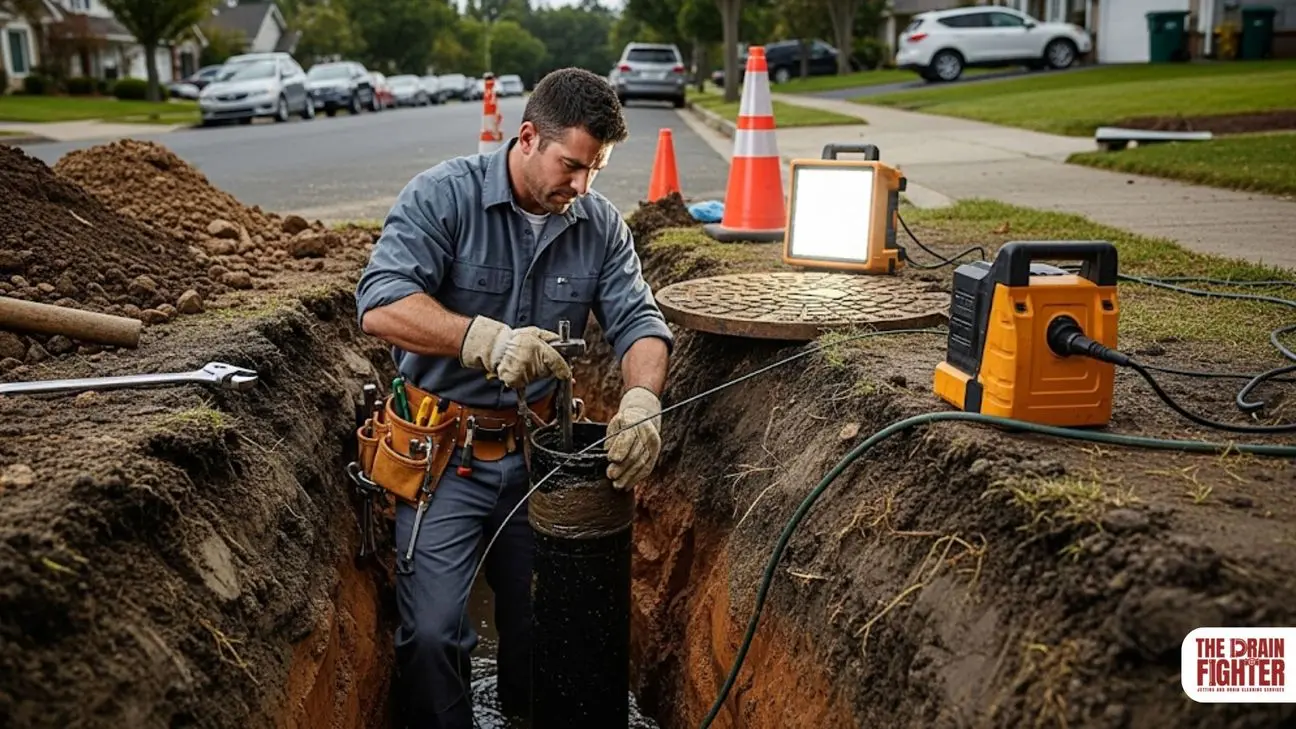
Tree roots can penetrate sewer lines, causing severe blockages. Hydro-jetting is ideal here as it cuts through roots and clears obstructions, often supplemented with specialized cutting tools. Regular professional inspections can help prevent recurring invasions.
Applying Appropriate Techniques for Mineral Deposit Blockages
Mineral deposits from hard water can accumulate in older pipes. A combination of chemical cleaners designed to break down calcium and hydro-jetting may be necessary to completely remove these deposits. Enzyme-based treatments provide an environmentally friendly option over the long term.
Prioritizing Safety and Pipe Integrity in Your Selection
Safety and pipe protection are paramount when choosing a drain cleaning method. Avoid approaches that may compromise the integrity of your pipes while still effectively removing clogs.
Opting for Pipe-Safe Drain Cleaning Methods for Homes
Manual tools and enzymatic treatments are often the safest choices for preserving pipes. Always follow manufacturer instructions when using chemical cleaners, as excessive use can lead to corrosion in cast iron, PVC, or stainless steel pipes.
Understanding Potential Hazards of Caustic Chemical Cleaners
Chemical cleaners may produce dangerous fumes and corrode pipe materials. Use these chemicals only in well-ventilated areas, adhering to dosage guidelines, and consider less aggressive alternatives to avoid long-term damage.
Practicing Safe Use of Manual Drain Clearing Equipment
While cost-effective, manual tools require proper handling. Secure your grip on a drain snake and work slowly to avoid damaging fragile pipes. Protective gear such as gloves and eyewear is recommended to prevent injury.
Protecting Your Home's Plumbing System From Damage
Combining mechanical clearing with enzymatic cleaners can optimize results while reducing potential damage. Regular maintenance and careful chemical use extend your pipes’ longevity and avoid costly repairs.
Ensuring Proper Ventilation When Using Any Drain Product
Adequate ventilation is critical when using chemical drain cleaners. Open windows and use fans to reduce hazardous fume buildup and lower the risk of dangerous chemical reactions.
Comparing the Cost and Efficiency of Home Drain Cleaning Solutions
Balancing cost and effectiveness is crucial. DIY methods generally have low upfront costs but may lead to higher long-term expenses if pipes are damaged, while professional services offer comprehensive, long-lasting solutions.
Calculating Expenses of DIY Drain Cleaning Attempts
DIY options like plungers, drain snakes, and over-the-counter chemical cleaners are priced moderately. However, repeated use and potential damage can increase overall costs over time.
Evaluating the Investment in Professional Drain Services
Professional drain cleaning services typically cost between $150 and $500. Their higher initial price can be offset by the prevention of recurrent clogs and expensive future repairs.
Considering Long-Term Value of Different Cleaning Techniques
Enzymatic treatments and regular professional inspections offer continuous protection. Although they may work more slowly, these maintenance methods reduce corrosive damage and deliver long-term savings.
Factoring in the Speed and Effectiveness of Each Method
Chemical cleaners and hydro-jetting provide rapid relief during emergencies, whereas enzymatic treatments and manual methods support ongoing maintenance. Combining methods can yield both quick results and long-term pipe health.
Making an Informed Choice for Professional Drain Cleaning Assistance
When DIY efforts prove insufficient, professional assistance is necessary. Research and select a plumbing service with the right certifications and customer reviews to ensure quality, reliable solutions.
Researching Local Plumbing Services and Their Specializations
Begin by looking for local plumbing companies with positive customer reviews, certifications, and experience in advanced techniques like hydro-jetting and sewer camera inspections in Washington DC.
Checking Qualifications, Licensing, and Insurance
Ensure the selected service has certified technicians, proper licensing, and current insurance. This verifies that their work will address the blockage while protecting your plumbing system for the long term.
Seeking Recommendations and Reading Customer Feedback
Word-of-mouth and online feedback are valuable. Look for comments about punctuality, clear pricing, and overall satisfaction to guide your choice.
Requesting Clear Estimates Before Work Commences
Obtain detailed estimates that outline labor, materials, and additional fees. Transparent pricing helps you compare services and prevents unexpected costs.
Understanding the Technology and Processes Professionals Employ
Ask about the equipment and methods used, such as hydro-jetting and advanced snaking. Knowing these details helps you understand the process and ensures proactive measures are taken to protect your pipes.
Adopting Preventative Strategies for Healthy Home Drains
Preventative maintenance is the key to avoiding future blockages. Simple daily practices and periodic professional check-ups ensure long-term drain health.
Establishing Routine Maintenance for Your Home's Drainage System
Schedule regular drain inspections and cleanings every 6 to 12 months. Routine professional evaluations can catch early signs of blockage before they become severe.
Implementing Best Practices for Waste Disposal in Sinks and Toilets
Avoid pouring grease, large food particles, or excessive toilet paper down drains. Use strainers and dispose of non-degradable waste in the trash to prevent buildup.
Utilizing Drain Guards and Strainers to Minimize Debris
Install drain guards to capture hair and food particles. Regular cleaning of these devices is essential to maintain their effectiveness.
Educating Household Members on Preventing Clogs
Teach everyone in your home which substances should not be poured down the drain. Simple practices such as rinsing dishes help minimize debris accumulation.
Arranging Periodic Professional Inspections for Early Detection
Even with good daily habits, periodic inspections with modern diagnostic tools (like sewer cameras) can detect minor issues before they worsen, ensuring long-lasting drainage efficiency.
In summary, selecting the right drain cleaning method involves balancing effectiveness, safety, and cost. Whether you use manual tools, chemical cleaners, hydro-jetting, enzymatic treatments, or professional snaking, choose an approach that suits your specific blockage type and maintain your plumbing system with regular care. With the right strategy, you can ensure smooth drainage and avoid expensive repairs in the future.